eSIM vs Roaming: Which Is Cheaper When You Travel?
What roaming actually costs: how daily carrier passes, charges per MB and surprise bills add up on a typical trip How a travel eSIM works instead: choosing a destination, installing before you fly and activating on landing in about five minutes Head-to-head: price, coverage, setup time and keeping your own number and WhatsApp, plus when roaming still makes sense
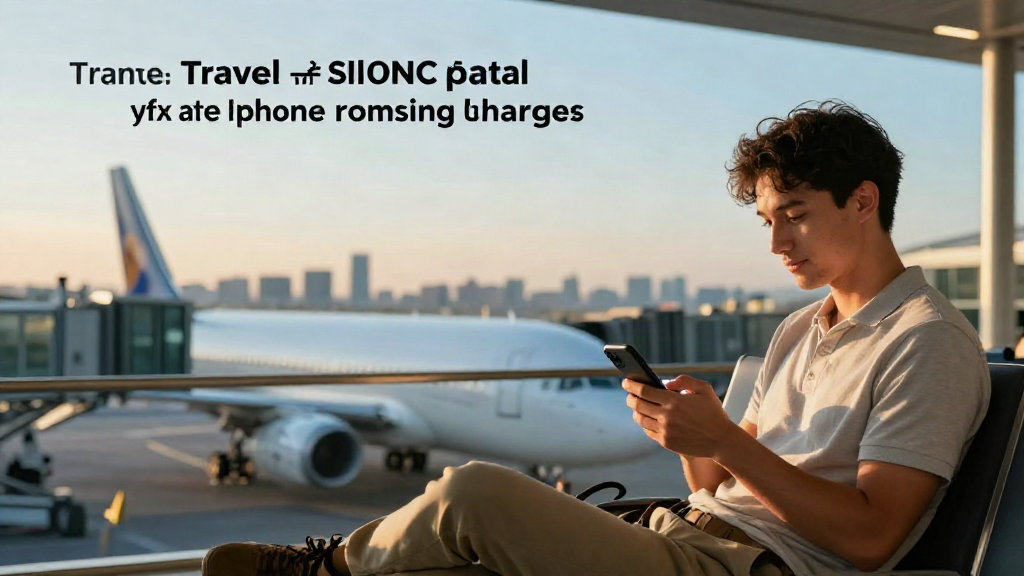
eSIM vs Roaming: Which Keeps Your Phone Bill Lower When You Travel?
You step off the plane, switch your phone back on, and the first thing you want is data. Not in an hour, and not after a detour to a phone shop in arrivals. You want it now. For years the easy answer was roaming: your normal carrier, your normal number, your normal plan. The catch is what it costs. Let's compare roaming and a travel eSIM honestly, so you can pick the one that fits your trip.
What roaming actually costs
Roaming is simply your home carrier letting you use a network in another country. It is convenient, and on some plans it is even included. But when it is not included, the pricing is hard to predict.
Most carriers sell daily roaming passes. Some are fair. Others charge a flat fee per day whether you use 5 MB or 5 GB. Over a two-week trip, a daily pass adds up fast - and if you forget to buy it before you leave, you can slide into pay-per-use rates.
Pay-per-use is where bills get scary. Outside a bundle, you can be charged per megabyte rather than per gigabyte. A single burst of map downloads and photos can eat a large chunk of your allowance. Background apps update quietly, video buffers quietly, and by the time the bill lands, the number is a shock.
Then come the extras: charges for incoming calls, higher rates once you leave your carrier's roaming zone, and speed caps that throttle you after a set limit. Roaming is not only expensive. It is unpredictable - and that is often the bigger problem.
How a travel eSIM works instead
A travel eSIM flips the model. Instead of borrowing your home carrier's roaming rates, you buy a data plan for the country or region you are visiting, and your phone connects to a local network when you arrive.
The whole setup looks like this:
- Choose your destination in the app and pick a plan.
- Install the eSIM before you fly, while you still have Wi-Fi.
- Activate it when you land - it takes about five minutes on your phone.
No shop, no plastic SIM, no queue at the airport counter, no tiny tray tool. You keep your own number and your WhatsApp, so messages and calls on the apps you already use keep working. The eSIM handles your data; your regular SIM stays right where it is for everything else.
eSIM vs roaming, side by side
Here is the short version, so you can weigh the two at a glance:
- Price: Roaming charges a daily pass or per-MB rate that is hard to predict. An eSIM is a fixed price for a set amount of data, paid upfront.
- Coverage: Roaming depends on which partners your carrier has. An eSIM connects you to local networks across 200+ destinations.
- Setup: Roaming means buying a pass before you travel, or nothing at all. An eSIM is a few minutes in the app before you fly.
- Your number and WhatsApp: Both let you keep them. With an eSIM, your own number and apps stay untouched while the eSIM carries the data.
- Surprise bills: Roaming can deliver one. An eSIM cannot - you already paid, and there is nothing left to run up.
- Best fit: Roaming can suit a very short trip inside your plan's zone. An eSIM suits most trips where you actually need dependable data.
Setup time: minutes, not a detour
Think about what roaming and eSIM really ask of you. With roaming, the work happens before the trip, guessing how much data you will need and hoping the pass is right. With an eSIM, the work is five quiet minutes at home: pick a destination, install, done. When you land, you switch it on and you are online. No counter, no queue after a long flight, no language barrier at a help desk.
That difference matters most when you are tired, loaded with luggage, and just want to message home that you arrived safely.
When roaming still makes sense
To be fair, roaming is not always the wrong call. If your carrier bundles roaming into your plan for the countries you are visiting, and you are only away for a couple of days, using what you have already paid for can be the simplest choice. Business travelers on a corporate plan with generous international data may feel the same.
The trick is to check before you fly. Look at what your plan includes, where it includes it, and what happens the moment you go past the limit. If the answer is vague, or the daily fee is high, a travel eSIM is usually the calmer, cheaper path.
Frequently asked questions
Will I lose my number if I use a travel eSIM?
No. Your eSIM adds a second line just for data, so your usual number stays active. You keep receiving messages and calls as normal.
Can I still use WhatsApp with an eSIM?
Yes. WhatsApp works over data, so once your eSIM is active you can message, call and share photos exactly as you do at home.
Is a travel eSIM always cheaper than roaming?
Not always, but often - especially on trips longer than a few days, or when your carrier charges per MB outside a bundle. With an eSIM you see the price before you pay and never receive a surprise bill.
Can I switch back to roaming if I need to?
Yes. Most phones let you choose which line handles data, so you can turn the eSIM off and fall back to your home carrier whenever you like.
The bottom line
Roaming is the familiar default, and for a quick trip inside your plan it can be fine. But for most travelers, an eSIM keeps the math simple: a fixed price, local coverage, and no surprise on the bill. You choose your destination, install before you fly, and activate on landing in about five minutes - all while keeping your own number and WhatsApp.
Before your next trip, do one quick thing: compare what your carrier will charge you to roam against a travel plan for the same days. Once you see the two numbers side by side, the choice is usually easy.
Published by eSIM2you. Browse travel eSIMs for 200+ destinations.