eSIM vs Roaming: Which Keeps Your Mobile Bill Lower?
What roaming really costs versus what an eSIM plan costs per destination How each option is set up, from landing to first connection When roaming still makes sense and when an eSIM is the better pick
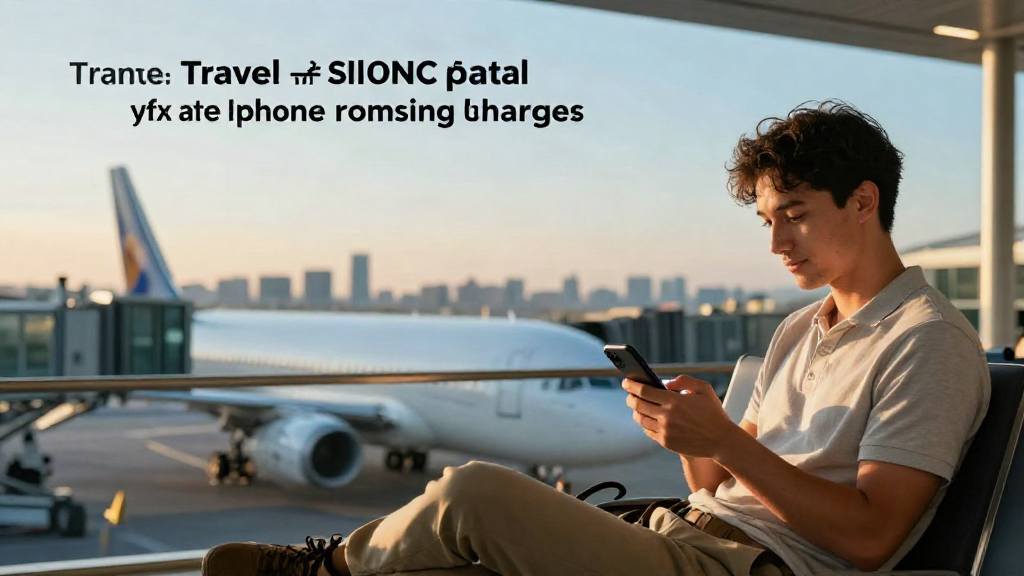
You have the flights booked, the hotel confirmed, and your passport ready. Then you land, switch your phone on, and the one thing you actually need - mobile data - is the one thing you did not sort out. That is the moment the choice between your home carrier's roaming and a travel eSIM stops being abstract. It shows up as a notification, a connection, and a bill.
What roaming actually costs you
Roaming is what happens when your home carrier lets you use another network while you are abroad. It is convenient because it works with your regular number and plan. It is also the most expensive way to get online in most destinations outside your home region.
Outside your region, per-megabyte rates can be brutal. A few map searches, a video call home, and a day of scrolling can quietly add up to more than a week of data would cost any other way. Even inside a region where roaming is regulated and included, that free roaming usually comes with a modest monthly allowance. Pass it and the rate per gigabyte jumps. The real risk is not the price you can see - it is the bill you only notice after you get home.
What a travel eSIM plan costs instead
An eSIM is a digital SIM. There is no plastic card to swap and no shop to visit. You buy a data plan for the country or region you are visiting, install it on your phone before you fly, and it activates when you land.
The pricing model is the opposite of roaming. You pay once, up front, for a set amount of data in a specific destination. eSIM2you plans start at just €2 and cover 200+ destinations, so you know your data cost before you leave the house. No per-megabyte meters, no surprise daily charges, and nothing to explain to your carrier when you get back.
How each one is set up, from landing to first connection
Roaming
Nothing to install. Your phone finds a partner network when you land and connects on its own. You keep your number and your usual apps exactly as they are. The catch is that you have to trust your plan covers the destination at a rate you are happy with - and you often do not learn the real cost until the statement arrives.
eSIM
You choose your destination in the eSIM2you app and pick a plan. You install it before you travel - it takes about five minutes on your phone. You switch it on when you land and you are connected, usually before you reach the baggage belt. And you keep your own number and WhatsApp, so calls and messages still work.
When roaming still makes sense
Roaming is not always the wrong call. If you are taking a short trip inside your home region where roaming is included, or you only need a handful of messages, your existing plan may cover you at no extra cost.
It also makes sense for a quick one- or two-day trip where you do not want to think about a second plan at all. If your phone mostly stays in your pocket, staying on your carrier is the simplest option.
When an eSIM is the better pick
For most travelers, the answer tips toward an eSIM as soon as the trip gets real: a week away, a country outside your home region, a work trip where you need to be reachable, or a longer stay where you rely on maps, translation, and messaging every day.
An eSIM wins on three things. Predictable cost, because you know exactly what you paid and how much data you have. Instant setup, because there is no shop, no queue, and no hunting for a SIM on arrival. And your number stays active, because you are adding data rather than replacing your line.
If you are a digital nomad hopping between countries, a student settling in for a semester, or a cruise passenger docking somewhere new every morning, a regional or multi-country plan removes a whole category of worry.
The bottom line
Roaming is built for convenience, and it charges you for that convenience. An eSIM is built for travelers who would rather know the cost up front and be online the second they land.
So which one keeps your mobile bill lower? For a short trip inside a covered region, roaming can be fine. For almost everything else, an eSIM is the calmer, cheaper choice: a price you picked, data that switches on when you land, and your own number left untouched. Choose your destination, install your plan, and let the bill be the one thing you do not have to think about.
Published by eSIM2you. Browse travel eSIMs for 200+ destinations.